Use of tobacco - one of the leading causes of preventable death - - can affect pregnant women even if they aren't active users. Scientists say women exposed to secondhand smoking during pregnancy are more likely to give birth to children with cleft lip or palate -- a non-fatal congenital deformity.
A study of 100 children -- 50 of them with cleft lip or palate -- in three citybased government hospitals found that although not many mothers were regular users of cigarettes or other tobacco products, several of them were exposed to second-hand smoking. The study found that 48% of mothers of children with oral cleft were exposed to second-hand smoking compared to 24% of mothers of normal children.
Although consanguinity and positive family history are among the commonly discussed causes in India, researchers said they were 'uncertain' if genes had any role in triggering the birth defect among the local population. "The study has brought forth the role of passive smoking in the development of oral clefts thereby warranting an effective public health policy to tackle the same," said Dr Mohammed Junaid of the department of Public Health Dentistry , Meenakshi Ammal Dental College and Hospital.
Although oral clefts and tobacco are public health problems, they aren't considered synonymous. In India, although the prevalence of oral cleft is high, there have not been enough studies on its association with tobacco abuse, the authors of the study said.
In India, almost 28,600 infants are born every year with cleft lip and palate. The deformity is classified syndromic, which occurs due to chromosomal aberrations caused by mutation of a gene, or non-syndromic, caused by the interaction between genetic and environmental factors. In India, doctors say, the deformity in 80% of children has been found to be nonsyndromic in nature. Commonly associated risk factors for the deformity are age during conception, obstetric history, environmental pollutants, consanguinity, positive family history, infections, maternal obesity, drugs that affect fetal growth, alcohol use, tobacco use or exposure, and deficiency of folic acid in diet. During the study published in Clinical Oral Investigations, doctors wanted to determine the association between maternal tobacco use or exposure and presence of a gene variant called transform ing growth factor alpha (TGFA) in the occurrence of oral clefts.
More than 85% of mothers of children with cleft lip were exposed to second-hand smoke. Among these, almost all said they were exposed to smoke from 1-10 cigarettes daily for a duration of less than 30 minutes. Paternal use of tobacco did not show any significant difference between either the case or the control of fathers although the mawa (27.5%) and gutkha (27.5%) forms of smokeless tobacco were predominantly used by the fathers of children with the deformity.
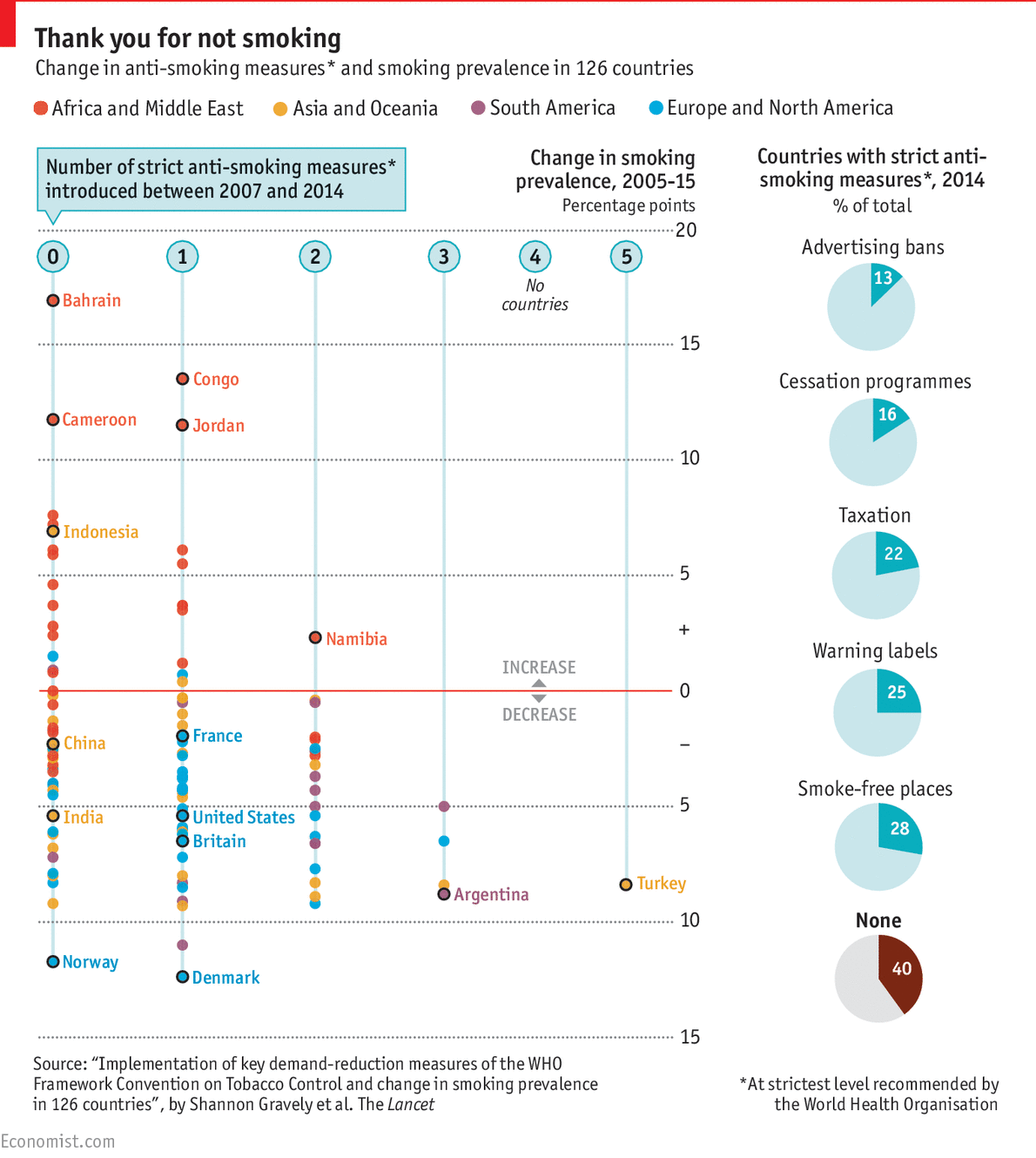
Data from the first phase of the National Family Health Survey released by the Union health ministry shows a dip in the use of all forms of tobacco, among men and women, in the past decade. However, men continue to dominate use of tobacco products.
The survey found 6.8% of women and 45% of men used tobacco in 2015-16. Although Tamil Nadu stands below the national average with 2.2% of women and 31.7% of men using tobacco, the public health impact remains high.
Source: Times of India